
Shopping cart

Subtotal $0.00

View cartCheckout

Discover the ultimate destination for hair care at Essa Aesthetic Clinic! Stay updated with the latest tips, treatments, and trends in hair health.

Shopping cart

Subtotal $0.00

View cartCheckout

Discover the ultimate destination for hair care at Essa Aesthetic Clinic! Stay updated with the latest tips, treatments, and trends in hair health.

Pressure Sore

What is a Pressure Sore?

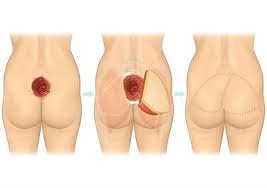
A pressure sore, also known as a pressure ulcer or bedsore, is an injury to the skin and underlying tissue caused by prolonged pressure on the skin. It commonly occurs in individuals who are bedridden, use a wheelchair, or have limited mobility. Pressure sores can range from mild redness to severe wounds that extend to the muscle and bone.

Services

  • Wound Care: Cleaning and dressing pressure sores to prevent infection and promote healing.
  • Debridement: Removing dead or infected tissue to encourage healthy tissue growth.
  • Surgical Repair: Reconstructing severe pressure sores with skin grafts or flaps.
  • Preventive Care: Educating patients and caregivers on how to prevent pressure sores.

Treatments

Description: Our team of experts provides personalized treatments for pressure sores, ranging from non-invasive wound care to surgical interventions. The goal is to heal existing sores, prevent complications, and reduce the risk of recurrence.

  • Non-Invasive Options: Wound care, dressings, and topical treatments for mild sores.
  • Surgical Options: Debridement, skin grafts, or flap surgery for severe sores.
  • Comprehensive Care: From diagnosis to recovery, we ensure a seamless experience.

Why Choose Us?

  • Experienced Specialists
  • Holistic Approach
  • Patient-Centered Care

Additional Services

  • Consultation
  • Caregiver Training
  • Aftercare Support

A: Pressure sores are caused by prolonged pressure on the skin, often due to immobility, poor circulation, or friction.

A: Regular repositioning, proper nutrition, and using pressure-relieving devices can help prevent pressure sores.

A: Yes, with proper wound care, debridement, and surgical intervention if necessary, pressure sores can be treated effectively.

A: Individuals with limited mobility, poor circulation, or chronic illnesses like diabetes are at higher risk.